

Choosing the right class in World of Warcraft: Forever can make a significant difference to your experience, especially if you are planning to invest hundreds of hours into leveling, dungeons, raids, PvP, professions, and character progression. With reworked talent trees, class adjustments, new race combinations, and changes to familiar Classic mechanics, choosing a character is no longer simply a matter of following an old Vanilla World of Warcraft tier list.
Some classes are particularly attractive for players who want to level quickly and explore the world independently. Others become more valuable in organized dungeons, where survivability, healing, crowd control, and group utility are essential. Raid players have another set of priorities, including sustained damage, defensive cooldowns, reliable healing, and the ability to contribute throughout longer encounters.
PvP introduces an entirely different set of considerations. A specialization that performs exceptionally well against predictable raid encounters might struggle against an opponent who can interrupt spells, control positioning, and exploit defensive weaknesses. Similarly, a class that feels challenging during early leveling can become considerably more rewarding after obtaining stronger equipment and unlocking additional abilities.
That is why a useful WoW Forever class tier list should do more than place nine classes into a single ranking. It should explain which specializations are worth considering for different activities, why certain builds may perform well, what limitations players should understand, and how to choose a class that suits their preferred playstyle.
This guide examines all nine classes and their major specializations, including Warrior, Paladin, Hunter, Rogue, Priest, Shaman, Mage, Warlock, and Druid. It also provides separate comparisons for leveling, dungeon progression, raid damage, tanking, healing, PvP, and solo gameplay.
The rankings are intended as an editorial assessment of the pre-launch environment, informed by publicly discussed beta changes and the general strengths of each class. They are not official developer rankings, and the precise order may change as additional testing and balance adjustments become available.
Whether you are a returning Classic player, an experienced raider, a dedicated PvP competitor, or someone preparing a first character, this guide will help you make a more informed decision.
1. WoW Forever Class Tier List: How the Rankings Work
Before comparing individual classes, it is important to understand what a tier list actually measures.
A class can be powerful without being the best choice for every activity. A tank specialization might be excellent at keeping enemies focused on it but contribute less direct damage than a dedicated damage dealer. A healer might provide exceptional recovery during difficult encounters while having limited value in a pure damage comparison.
Likewise, a specialization that excels at early leveling might lose some of its relative advantage when characters reach higher levels, obtain better equipment, and gain access to their complete talent trees.
For this reason, this guide uses several different categories rather than treating the entire game as one competition.
Understanding the tier system
| Tier | General Meaning | What Players Should Expect |
|---|---|---|
| S Tier | Particularly strong option for the specified activity | Excellent strengths and few major disadvantages in its intended role |
| A Tier | Strong and competitive choice | Reliable performance with useful abilities or favorable matchups |
| B Tier | Viable but more dependent on circumstances | Can perform well, although other options may offer advantages |
| C Tier | More specialized or comparatively limited | May require additional preparation, a favorable environment, or greater player investment |
These tiers are relative assessments. A B-tier specialization is not automatically bad, and a C-tier option is not necessarily incapable of completing difficult content.
The difference between tiers can also be smaller than a ranking suggests. Two specializations might perform similarly in one encounter while producing different results in another because of movement, target switching, resource management, or encounter mechanics, mechanics as easy as buying gold for WoW Forever.
What determines a specialization’s position?
Several factors influence the recommendations in this guide.
Damage potential: How effectively can the specialization deal damage in its intended environment?
Survivability: Can it handle mistakes, incoming damage, and difficult encounters without excessive assistance?
Resource efficiency: Does it require frequent recovery, or can it continue operating efficiently during extended activities?
Utility: Does it offer crowd control, buffs, defensive support, movement abilities, or other benefits that improve a group?
Accessibility: How difficult is the specialization to learn, gear, and operate effectively?
Versatility: Can it contribute to several different types of content, or does it excel primarily in one environment?
Scaling: How does the specialization respond to better equipment, additional talents, and higher character levels?
These factors do not always point toward the same winner. A specialization can deliver exceptional damage but be difficult to play. Another might produce slightly less damage while offering enough utility to become more desirable for a particular group.
More info: https://www.reddit.com/user/wow-forever-gold/
Why pre-launch rankings need caution
WoW Forever’s developing class environment means that rankings should be treated as a snapshot rather than a permanent statement.
The beta provides useful information about talent changes and early character performance, but early-level results do not establish exactly how every specialization will perform at the maximum level.
A class that appears exceptionally strong at level 20 or 30 may develop differently as more talents become available. Another class may benefit significantly from equipment or mechanics that are not fully represented during early testing.
The most sensible approach is to use a tier list as a starting point, then consider the activities you intend to play.
2. WoW Forever Class Tier List: Quick Overview
The following tables summarize the main recommendations in this guide. They are editorial rankings for particular activities, not official rankings from the developers.
The exact order within a tier is less important than understanding why a specialization may suit your goals.
Best classes for different activities
| Activity | Classes Worth Prioritizing | Main Reason |
|---|---|---|
| Solo leveling | Hunter, Warlock, Paladin | Independent combat tools and potentially manageable downtime |
| Flexible leveling | Druid, Hunter, Warlock | Different ways to approach outdoor encounters |
| Ranged damage | Mage, Hunter, Warlock | Strong emphasis on ranged attacks or spells |
| Melee damage | Warrior, Rogue, Paladin | Weapon-based combat and melee-oriented abilities |
| Dungeon tanking | Protection Warrior, Protection Paladin, Feral Druid | Defensive tools and the ability to manage enemies |
| Dungeon healing | Holy Priest, Restoration Shaman, Holy Paladin, Restoration Druid | Recovery, support, and role-specific utility |
| Raid damage | Warrior, Mage, Hunter, Warlock, Rogue | Damage-focused specializations with different strengths |
| Solo exploration | Hunter, Warlock, Druid | Tools that can support independent progression |
| PvP | Mage, Rogue, Warlock, Priest, Druid | Different combinations of control, pressure, survival, and utility |
| Beginner-friendly gameplay | Hunter, Paladin, Warlock | Accessible starting approaches for many players |
These are broad recommendations, not guarantees. Your specialization, equipment, faction, available race combinations, talent choices, and familiarity with the game can all influence the result.
General class tier list
| Class | Overall Assessment | Main Strength | Main Consideration |
|---|---|---|---|
| Warrior | A-Tier potential | Melee combat and tanking | Equipment and resource management |
| Paladin | S-Tier potential | Versatility, support, and defensive options | Performance varies by specialization |
| Hunter | S-Tier potential | Ranged damage and independent gameplay | Different Hunter specs serve different purposes |
| Rogue | A-Tier potential | Stealth, melee pressure, and tactical control | Positioning and execution matter |
| Priest | S-Tier potential | Healing and distinct Shadow gameplay | Resource management and role selection |
| Shaman | A-Tier potential | Elemental abilities and hybrid utility | Performance depends on specialization |
| Mage | S-Tier potential | Ranged spell damage and control | Survivability and resource management |
| Warlock | A-Tier potential | Damage-over-time effects and demon-related tools | Pet management and build selection |
| Druid | A-Tier potential | Flexible roles and shapeshifting | Specializations can differ substantially |
The overall assessment combines several aspects of gameplay. It should not be used as a substitute for separate tank, healer, damage, or PvP rankings.
For example, a Priest may rank highly because of its healing capabilities and still occupy a different position when only damage is considered. A Warrior may be an excellent tank while its damage specialization receives a more moderate rating.
The main rule: Always compare specializations within the activity you actually intend to play.
3. WoW Forever Leveling Tier List: Best Classes for Getting Started
Leveling is often the first major challenge for a new character. It introduces the player to the class, provides access to additional abilities, and determines how quickly the character reaches later content.
However, the fastest leveling class is not necessarily the one with the highest theoretical damage. The time required to complete a level depends on travel, quest objectives, enemy difficulty, downtime, equipment, and the player’s understanding of the class.
A character that can defeat enemies quickly but must frequently recover resources may progress differently from one that deals slightly less damage but can continue fighting with minimal interruption.
Leveling tier list
| Tier | Classes and Specializations to Consider | Why They May Perform Well |
|---|---|---|
| S | Beast Mastery Hunter, Affliction Warlock, Retribution Paladin | Independent combat tools and useful leveling mechanics |
| A | Mage, Druid, Shaman | Strong potential with suitable builds and efficient ability use |
| B | Rogue, Priest | Capable of leveling, with results depending on approach and build |
| C | Warrior or other demanding early builds | May require more attention to equipment, recovery, or combat choices |
This table is a broad editorial starting point rather than a measured speedrun ranking. It should not be interpreted as proof that every character in one tier will level faster than every character in another.
Why Hunter is worth considering for leveling
Hunter is an attractive option for players who want to progress independently.
Its ranged attacks allow the player to engage enemies from a distance, while pet-related mechanics provide another way to approach outdoor combat. The combination can make it easier to handle many ordinary quest encounters without requiring another player for every objective.
Beast Mastery is particularly worth considering for players who want to emphasize their pet and maintain a relatively straightforward combat approach.
Marksmanship offers a different emphasis, while Survival provides its own mix of combat tools. The best option depends on the current talent design and the player’s preferred style.
Hunter also offers room to improve through practice. Learning when to reposition, how to manage the pet, and which enemies are worth engaging can make the leveling experience smoother.
More info: https://www.quora.com/profile/WoW-Forever-Gold
Why Warlock can be effective during leveling
Warlock offers a different approach to independent gameplay.
Damage-over-time abilities allow the character to apply effects that continue dealing damage after they are cast. Depending on the build, demon-related abilities can also provide useful support during outdoor encounters.
Affliction is an appealing specialization for players who enjoy spreading effects and managing several enemies. Demonology emphasizes a different relationship with the Warlock’s demonic toolkit, while Destruction offers another damage-oriented approach.
These differences matter because the best Warlock specialization for leveling is not necessarily the best one for every later activity.
Players should learn how to balance offensive abilities, resources, and pet management rather than assuming that a single damage rotation will solve every encounter.
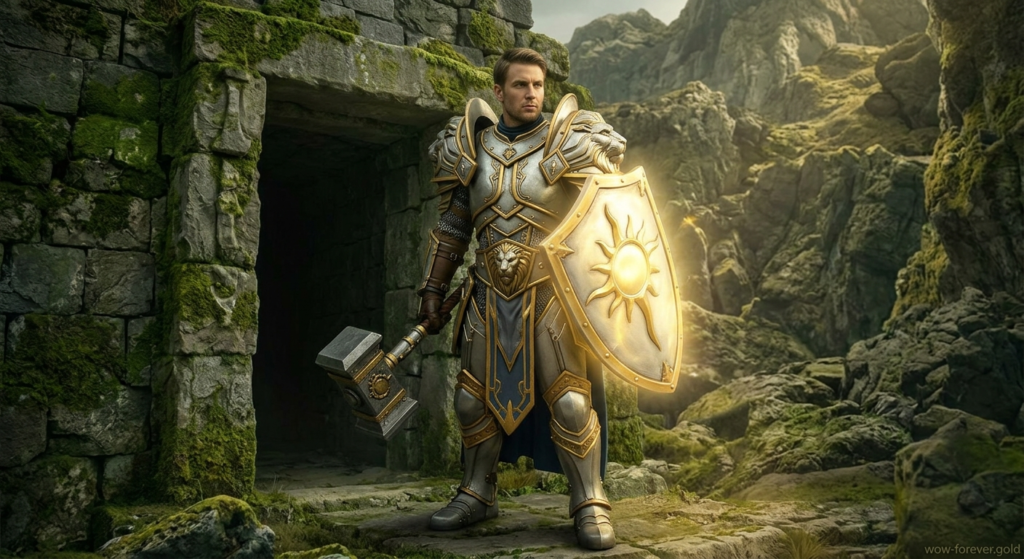
Why Paladin is worth considering
Paladin can appeal to players who want a character with a combination of offensive, defensive, and support options.
Retribution offers a more direct damage-oriented approach, while Protection and Holy focus on different responsibilities.
The value of these options depends on the current class changes and the content being completed. Paladin’s appeal is not simply that it can deal damage, but that its toolkit can support several kinds of gameplay.
For a new player, defensive options and access to different roles may be attractive. However, players should still learn the class’s resource management, ability priorities, and equipment requirements.
What about Mage, Druid, and Shaman?
Mage can be a strong leveling choice for players who enjoy ranged spellcasting. Its ability to deal damage from a distance and use spells against groups of enemies can be useful, although the character must also manage resources and avoid taking unnecessary damage.
Druid offers flexibility, but that flexibility comes with more decisions. Players must understand which abilities and forms suit their current situation.
Shaman provides a combination of elemental and other combat options. Its effectiveness depends on the specialization, talents, and the player’s familiarity with its abilities.
Leveling efficiency chart
The following comparison evaluates general leveling considerations rather than claiming a precise experience-per-hour result.
| Class | Independent Play | Potential Downtime | Learning Curve | Overall Leveling Appeal |
|---|---|---|---|---|
| Hunter | High | Often manageable | Moderate | Very strong |
| Warlock | High | Often manageable | Moderate | Very strong |
| Paladin | High | Build-dependent | Moderate | Strong |
| Mage | Moderate to high | Resource-dependent | Moderate | Strong |
| Druid | High | Build-dependent | Higher due to flexibility | Strong |
| Shaman | Moderate to high | Build-dependent | Moderate | Strong |
| Rogue | Moderate | Encounter-dependent | Moderate to high | Viable |
| Priest | Moderate | Resource-dependent | Moderate | Viable |
| Warrior | Build-dependent | Equipment and combat-dependent | Moderate | Viable |
These are qualitative observations. Actual performance will vary with class changes, character level, equipment, talents, player skill, and quest route.
The most important leveling advice
Do not select a class exclusively because a tier list labels it the fastest.
If you enjoy the class, you are more likely to learn its abilities, improve your decisions, and continue playing it long enough to experience its strengths.
A character that is slightly slower in one stage of progression may become more enjoyable as additional abilities unlock. The best leveling choice is a combination of practical efficiency and personal preference.
4. WoW Forever Dungeon Tier List: Best Classes for Group Content
Dungeons introduce a different set of requirements from solo leveling.
A successful group needs enough damage to defeat enemies, sufficient healing to recover from incoming damage, and a tank capable of managing threats. Utility also matters, particularly when the group encounters dangerous enemies or mechanics that require careful coordination.
The strongest dungeon composition is therefore not simply a collection of the highest damage specializations.
Dungeon role overview
| Role | Specializations to Consider | What They Contribute |
|---|---|---|
| Tank | Protection Warrior, Protection Paladin, Feral Druid | Threat management, durability, and enemy control |
| Healer | Holy Priest, Restoration Shaman, Holy Paladin, Restoration Druid | Recovery, support, and role-specific utility |
| Ranged damage | Mage, Hunter, Warlock | Damage from range and various utility options |
| Melee damage | Rogue, Warrior, Paladin, Druid, Shaman | Close-range damage and specialization-dependent utility |
This table identifies useful starting points, not a mandatory group composition.
Protection Warrior: A traditional tanking option
Protection Warrior is worth considering for players who enjoy a direct, defensive approach to tanking.
The role requires more than surviving incoming damage. A tank must understand enemy positioning, maintain appropriate threat, use defensive abilities effectively, and respond to the needs of the group.
Protection Warrior can be attractive to players who prefer a familiar tanking style based on weapons, armor, and defensive decisions.
However, the quality of the tank also depends on equipment, player awareness, and the group’s ability to cooperate. A strong tank specialization cannot compensate for every mistake made by the group.
More info: https://www.tiktok.com/@wow_forever.gold
Protection Paladin: Defensive utility and group support
Protection Paladin offers a different tanking identity, combining defensive gameplay with the broader support-oriented character design associated with Paladins.
Its appeal depends on how the current version balances survivability, threat, damage, and utility.
Players should evaluate the specialization based on the actual demands of the dungeon rather than assuming that one tank must be best in every encounter.
Protection Paladin may be attractive for players who want a tank with additional support options and who enjoy the Paladin class’s broader toolkit.
Feral Druid: Flexible tanking
Feral Druid offers a different approach through shapeshifting and its available defensive tools.
Players interested in this option should learn the abilities associated with the tanking role and understand how the Druid’s build supports the group’s requirements.
The Druid’s flexibility is an advantage, but it also requires the player to understand when different abilities are appropriate.
More info: https://www.tiktok.com/@wow_forever.gold/video/7688287224005184789
Healers in dungeons
Healers help groups recover from incoming damage and manage encounters where mistakes or unavoidable damage can place pressure on the party.
Holy Priest is a strong option for players who want to concentrate on direct healing and the Priest’s established support toolkit.
Restoration Shaman can appeal to players who enjoy healing combined with additional utility.
Holy Paladin offers a different support style, while Restoration Druid provides healing through its own collection of spells and class mechanics.
The most suitable healer depends on the encounter, group composition, and the player’s preferred healing style.
More info: https://steamcommunity.com/id/gold-wow-forever/
Dungeon damage dealers
Damage dealers have different responsibilities depending on their class.
Mage offers ranged spellcasting and tools that may help against groups of enemies. Hunter combines ranged damage with pet-related mechanics. Warlock can contribute damage through several different approaches, depending on specialization.
Rogue and Warrior focus on melee combat, while Paladin, Druid, and Shaman can provide damage through their respective offensive specializations.
The best damage dealer is not always the one with the highest theoretical output. Utility, target switching, survivability, and the ability to follow encounter mechanics can all influence the final result.
Dungeon tier recommendations
| Category | Strong Options to Evaluate | Important Consideration |
|---|---|---|
| Tanking | Protection Warrior, Protection Paladin | Compare threat, defensive tools, and encounter demands |
| Flexible tanking | Feral Druid | Requires understanding of form and role mechanics |
| Direct healing | Holy Priest | Resource management and healing priorities |
| Hybrid healing | Restoration Shaman, Restoration Druid | Utility and encounter-specific strengths |
| Ranged damage | Mage, Hunter, Warlock | Positioning and target selection |
| Melee damage | Rogue, Warrior, Paladin | Threat, survivability, and close-range mechanics |
How to choose a dungeon class
If you enjoy leading the group and managing enemies, consider a tank specialization. If you prefer monitoring the group’s health and supporting other players, consider healing. If you want to concentrate on defeating enemies, choose a damage specialization that matches your preferred combat style.
Do not feel obligated to select a class simply because it appears at the top of a ranking. Consistent preparation and an understanding of your role are essential components of successful group play.
5. WoW Forever Raid Tier List: Best Classes and Specs for Raiding
Raids place sustained demands on a character. Encounters may last longer than ordinary dungeon fights, require coordinated movement, and involve mechanics that punish mistakes.
Raid performance also depends on the role being evaluated. Damage dealers compete in damage output, tanks are judged by their ability to manage threats and survive, and healers must keep the group alive while responding to changing demands.
A single class ranking cannot accurately describe all three roles.
Raid damage tier overview
| Tier | Specializations Worth Watching | General Reason |
|---|---|---|
| S | Strong Warrior, Mage, Hunter, Warlock, or Rogue damage builds | Potentially high output in suitable encounters |
| A | Competitive damage builds from several classes | Useful performance with role-specific strengths |
| B | More situational damage specializations | May require particular encounters, equipment, or group support |
| C | Builds with more limited relative damage potential | May need further testing or favorable conditions |
This is intentionally a broad framework. It does not claim that every specialization listed in a tier will outperform every specialization below it.
The current beta environment is still a moving target, and maximum-level performance cannot be established reliably from every early-level test.
Warrior: Melee damage and tanking potential
Warrior has a long-established place in melee combat and tanking.
Fury and Arms offer different damage approaches, while Protection focuses on defensive responsibilities. Their relative performance can change depending on equipment, encounter design, and the current talent system.
Warrior players should pay attention to the relationship between equipment and performance. Weapon quality and other character improvements can influence the experience significantly.
For raiding, a Warrior’s suitability depends on the role it is expected to perform. A Protection build should be evaluated as a tank, not compared directly with a damage specialization on the basis of damage alone.
Paladin: Support and role diversity
Paladin can contribute through healing, tanking, or damage, depending on specialization.
Holy provides a healing-oriented approach, Protection focuses on tanking, and Retribution emphasizes offensive gameplay.
This diversity makes Paladin an interesting option for players who want access to several styles of group content.
However, each specialization should be judged according to its own responsibilities. A powerful defensive toolkit does not automatically make a tank the highest damage dealer, and strong healing does not necessarily translate into a superior offensive build.
Hunter: Ranged damage and utility
Hunter offers several approaches to ranged combat.
Beast Mastery emphasizes the pet-related side of the class, Marksmanship provides another damage-focused style, and Survival offers a different combination of offensive mechanics.
Hunter can be attractive in raids because it offers ranged damage and class-specific utility. Nevertheless, the value of each specialization depends on its actual performance in the encounter and the wider class balance.
Players should compare the specializations individually instead of assuming that every Hunter build will occupy the same position.
Rogue: Sustained melee damage and tactical abilities
Rogue focuses on melee combat, with specializations that emphasize different aspects of offensive gameplay.
Assassination, Combat, and Subtlety each provide a distinct class identity and set of priorities.
Rogue can appeal to players who enjoy learning ability sequences, positioning, and the management of combat resources.
In raids, the specialization’s relative value depends on damage potential, encounter mechanics, survivability, and the utility it provides. A ranking should therefore be based on the role and content being considered.
More info: https://www.twitch.tv/goldwowforever
Priest: Healing and Shadow damage
Priest combines two broad gameplay identities: healing-oriented specializations and Shadow-focused damage.
Holy and Discipline approach healing differently, while Shadow offers a damage-oriented path.
This makes Priest relevant to several aspects of group content. However, the three specializations should not be treated as interchangeable.
A healing build must be evaluated by its recovery and support capabilities. A damage build should be evaluated by its offensive performance and the resources required to maintain it.
Shaman: Elemental, Enhancement, and Restoration
Shaman offers a mixture of elemental spellcasting, melee-oriented combat, and healing.
Elemental focuses on ranged elemental damage, Enhancement provides a different combat style, and Restoration concentrates on healing and support.
The class’s broader toolkit can make it valuable in groups, although the strength of each specialization depends on its current tuning and the needs of the encounter.
Players should also consider how comfortable they are managing the class’s abilities and resources. A specialization that provides useful group support may be particularly appealing when the player understands how to use that utility effectively.
More info: https://gamefaqs.gamespot.com/user/goldwowforever
Mage: Ranged damage and spell-based utility
Mage specializes in ranged spellcasting and can provide a distinctive damage profile.
Arcane, Fire, and Frost each approach combat differently. The relative strength of these specializations depends on the current talent changes, the encounter, and the character’s equipment.
Mage can be attractive to players who enjoy ranged damage and controlling the pace of an encounter through spell selection.
However, ranged damage alone does not guarantee a top raid position. Resource management, movement requirements, target switching, and the ability to maintain effective casting all matter.
Warlock: Damage over time and demon-related abilities
Warlock offers several distinct damage specializations.
Affliction emphasizes damage-over-time effects, Demonology focuses more heavily on demonic mechanics, and Destruction provides another offensive approach.
The class also has utility associated with its wider toolkit, which can influence its value beyond a damage meter.
Warlock is therefore worth evaluating as a complete class rather than focusing exclusively on the maximum theoretical damage of one specialization.
More info: https://www.mmo-champion.com/members/1519988-goldwowforever
Druid: Flexible group contribution
Druid can contribute as a tank, healer, or damage dealer depending on specialization.
Balance provides a spellcasting-oriented approach, Feral offers a different combat style with its own role options, and Restoration focuses on healing.
This flexibility can be attractive to players who want to explore different forms of group content.
However, flexibility does not mean that every specialization is equally strong at every role. The current build, equipment, and encounter should determine which option is most appropriate.
Raid tier takeaway
The most important distinction is between class potential and specialization performance.
A class may have an excellent tank build and a more moderate damage build. Another class may be particularly strong in one damage specialization but less competitive in another.
For that reason, raid players should use specialization-specific comparisons and revisit their choices when the game changes.
6. WoW Forever Tank Tier List: Best Tank Specializations
Tanking requires a combination of durability, threat management, encounter awareness, and decision-making.
The tank must understand where enemies should be positioned, when defensive abilities are needed, and how to respond when the encounter changes. A tank that survives but cannot manage enemies effectively may still create problems for the group.
Tank tier overview
| Tier | Specializations to Consider | General Strength |
|---|---|---|
| S | Protection Warrior, Protection Paladin | Established defensive roles with different toolkits |
| A | Feral Druid | Flexible option with its own defensive mechanics |
| B | Other situational tank builds | May depend more heavily on encounter design or group support |
This is a broad starting point, not a guarantee that one specialization will always be superior.
Protection Warrior
Protection Warrior is a natural choice for players who enjoy traditional tanking.
Its gameplay emphasizes defensive preparation, positioning, threat management, and responding to incoming damage.
Players should focus on understanding the tank’s responsibilities rather than trying to maximize damage at the expense of survival or group stability.
More info: https://www.elitepvpers.com/forum/members/9092819-goldwowforever.html
Protection Paladin
Protection Paladin provides an alternative tanking approach with its own defensive and support abilities.
Its relative performance depends on how the current game balances threat, durability, utility, and damage.
Players who enjoy the Paladin’s broader toolkit may find it particularly appealing, especially if they want to explore other Paladin specializations as well.
Feral Druid
Feral Druid offers a tanking option built around Druid mechanics and shapeshifting.
Its effectiveness depends on the current defensive toolkit and the player’s ability to manage the role. The Druid’s flexibility can be valuable, but players should learn the requirements of the tanking build rather than relying on the class’s versatility alone.
How to select a tank
Consider these questions before committing to a tank specialization:
- Do you enjoy managing enemy positioning?
- Can you remain aware of the entire encounter while using your abilities?
- Are you willing to learn defensive timing?
- Do you understand how threat affects the group?
- Does the specialization suit the content you plan to complete?
A tank is responsible for more than personal survival. Good decisions can make the encounter easier for everyone.
More info: https://www.ign.com/playlist/goldwowforever
7. WoW Forever Healer Tier List: Best Healing Specializations
Healing is about maintaining the group’s ability to continue fighting while responding to damage, mistakes, and encounter mechanics.
The best healer is not necessarily the character that produces the largest number on a healing meter. Effective healing involves using the right ability at the right time, avoiding unnecessary resource expenditure, and understanding which players are most likely to need assistance.
Healer tier overview
| Tier | Specializations to Consider | Main Consideration |
|---|---|---|
| S | Holy Priest, Restoration Shaman, Restoration Druid | Strong candidates for dedicated healing roles |
| A | Holy Paladin, Discipline Priest | Distinct healing approaches and support options |
| B | More situational healing builds | May require specific group conditions or additional testing |
This table is a general editorial framework. The exact order depends on current tuning and the content being evaluated.
Holy Priest
Holy Priest is a straightforward option for players who want to focus on healing.
Its appeal comes from the ability to devote most of the character’s development to keeping allies alive and responding to damage.
Players should learn which healing abilities are appropriate for different situations and avoid spending too many resources on unnecessary recovery.
Discipline Priest
Discipline Priest approaches healing differently, with an emphasis on its distinctive toolkit.
Players who enjoy planning and understanding how their abilities interact may find the specialization rewarding.
Its value should be assessed according to the current mechanics and the requirements of the encounter rather than assuming that it will perform identically to Holy Priest.
Restoration Shaman
Restoration Shaman is worth considering for players who enjoy healing alongside the class’s broader utility.
The specialization’s strengths depend on the current game implementation and how well its abilities fit the group’s needs.
Players should learn how to manage resources and respond to different patterns of incoming damage.

Holy Paladin
Holy Paladin provides another healing style, associated with the Paladin’s broader class identity.
It can be appealing to players who want a healer with a different toolkit from Priest or Shaman.
The most appropriate choice depends on the encounter, group composition, and the player’s preferred approach to healing.
Restoration Druid
Restoration Druid offers a healing-oriented approach based on Druid abilities and mechanics.
Players who enjoy the Druid class may appreciate the opportunity to focus on supporting allies while retaining access to the broader Druid identity.
As with every healer, its actual value depends on the current tuning and the demands of the content.
Choosing a healer
If you are new to healing, start by learning a small number of essential abilities and understanding how much recovery each situation requires.
Pay attention to resource management, the health of the group, and the mechanics of the encounter. Avoid using every available ability simply because it is ready.
Good healing comes from understanding the situation and making efficient decisions, not from pressing the largest number of buttons.
8. WoW Forever DPS Tier List: Comparing Damage Specializations
Damage rankings are among the most discussed parts of any class tier list, but they are also among the easiest to misinterpret.
A specialization that performs well against a stationary target may behave differently during an encounter that requires movement. Another may deal strong area damage but produce a different result against a single boss.
Equipment also matters. A specialization’s relative performance can change as the character gains better weapons, armor, statistics, and additional talents.
DPS tier overview
| Tier | Specializations to Watch | General Reason |
|---|---|---|
| S | Strong Hunter, Mage, Warlock, Warrior, or Priest damage builds | Potentially competitive damage with suitable conditions |
| A | Competitive builds across several classes | Strong alternatives with different strengths |
| B | More situational damage builds | Performance may depend more on encounter design or equipment |
| C | Builds with more limited relative output in the tested environment | May require further tuning or favorable conditions |
This is not a claim that every listed specialization belongs in S Tier simultaneously. It illustrates the classes whose individual damage builds are worth evaluating as the beta develops.
Single-target damage versus area damage
Single-target damage matters when the main objective is defeating one important enemy.
Area damage becomes more relevant when several enemies must be handled together. Depending on the encounter, the group may benefit from both types of output.
A specialization that excels in one area may be less effective in another. This is why a single damage ranking cannot fully represent every raid, dungeon, or farming situation.
Sustained damage versus burst damage
Sustained damage describes the ability to continue dealing damage over time.
Burst damage refers to a concentrated period of higher output. It can be valuable when a target must be defeated quickly or when an encounter provides a short opportunity to deal damage.
Both have advantages. The value of each depends on how the encounter is structured and how well the player manages the specialization’s abilities.
Utility and practical damage
Damage is only one measure of a specialization’s contribution.
A class that provides useful control, defensive support, or other benefits may help the group even when its raw damage is not the highest.
Likewise, a damage dealer that frequently misses important mechanics may contribute less than expected despite having strong theoretical potential.
The best specialization for you is therefore not necessarily the one with the highest number in a single comparison.
9. Warrior Class Guide: Arms, Fury, and Protection
Warrior is a strong choice for players who enjoy direct combat and the use of weapons to deal damage or protect allies.
The class is particularly appealing to players who prefer a traditional melee identity. However, Warrior performance depends on the specialization, equipment, and player’s ability to manage the character’s resources and defensive tools.
Arms Warrior
Arms offers a damage-oriented melee approach.
Players interested in Arms should learn the specialization’s core attacks and understand how to maintain effective pressure without wasting resources.
Its relative position depends on the current talent design, encounter mechanics, and equipment. Arms should not be judged solely by its reputation in an older version of the game.
Best suited to: Players who enjoy weapon-focused combat and a direct melee style.
Fury Warrior
Fury provides another offensive approach, with its own ability priorities and combat rhythm.
The specialization can appeal to players who prefer sustained melee pressure and want to develop their damage performance through practice and equipment progression.
Its potential should be evaluated against the current version of the game rather than assuming that older rankings apply unchanged.
Best suited to: Players who enjoy an offensive melee role and are willing to improve their equipment and ability management.
Protection Warrior
Protection Warrior focuses on tanking.
Players must learn to manage threats, position enemies, and use defensive abilities effectively. It is a natural choice for those who enjoy leading group encounters and helping create a stable environment for other players.
Best suited to: Players who prefer defensive gameplay and group responsibility.
Warrior strengths
- Traditional melee combat.
- Access to damage and tanking roles.
- A clear class identity.
- Potential to benefit from equipment progression.
- Useful for players who enjoy direct, weapon-based gameplay.
Warrior limitations
- Performance can depend significantly on equipment.
- Close-range combat requires awareness of positioning.
- Tanking demands attention to the entire encounter.
- Damage specializations may perform differently depending on the current build.
Warrior verdict
Warrior is worth considering if you enjoy melee combat or want to learn tanking. Choose the specialization based on your preferred role instead of treating the entire class as a single ranking.
10. Paladin Class Guide: Holy, Protection, and Retribution
Paladin combines offensive, defensive, and healing-oriented gameplay.
This makes it an appealing option for players who want to explore different roles while maintaining the same class identity.
However, each Paladin specialization has different priorities. Holy focuses on healing, Protection on tanking, and Retribution on damage.
More info: https://github.com/goldwowforever
Holy Paladin
Holy Paladin is designed for players who want to support allies through healing.
The specialization’s practical value depends on its healing toolkit, current balance, and the needs of the group.
Players should learn how to use their healing resources efficiently and understand which abilities are appropriate for different situations.
Protection Paladin
Protection Paladin offers a tanking approach with its own defensive and support abilities.
Its suitability depends on the current balance between durability, threat management, and utility.
Players who enjoy tanking but want a different style from Warrior may find it worth considering.
Retribution Paladin
Retribution is the Paladin’s damage-oriented specialization.
It can appeal to players who prefer melee combat but also want access to the Paladin’s broader class identity.
The specialization’s damage potential depends on the current implementation of its abilities and talents. Players should evaluate it using current information rather than relying exclusively on older Classic rankings.
Paladin strengths
- Several distinct roles.
- Offensive and defensive options.
- Appeal to players who enjoy supporting a group.
- Potential flexibility across different content.
Paladin limitations
- The three specializations have different requirements.
- Performance varies considerably by role.
- Players need to understand which abilities suit their current build.
- A ranking for one specialization should not automatically be applied to the others.
Paladin verdict
Paladin is a compelling option for players who want a broad range of gameplay possibilities. It is particularly worth considering if you enjoy a combination of melee combat, healing, and defensive responsibilities.
11. Hunter Class Guide: Beast Mastery, Marksmanship, and Survival
Hunter is one of the most attractive classes for players who enjoy ranged combat and independent exploration.
Its pet-related mechanics provide an additional dimension to outdoor encounters, while its different specializations offer several approaches to damage.
Beast Mastery Hunter
Beast Mastery emphasizes the Hunter’s relationship with its pet.
The specialization is worth considering for players who enjoy a pet-centered playstyle and want to approach combat from range.
Its potential depends on the current talent design and the way pet-related mechanics interact with the character’s other abilities.
Best suited to: Players who enjoy pet-assisted combat and independent progression.

Marksmanship Hunter
Marksmanship offers another ranged damage approach.
Players who prefer to focus on ranged attacks may find the specialization appealing. Its practical strength depends on the current balance, encounter requirements, and equipment.
Best suited to: Players who enjoy ranged damage and learning a damage-focused combat style.
Survival Hunter
Survival offers a different Hunter identity and should be evaluated separately from Beast Mastery and Marksmanship.
Its abilities and gameplay priorities can produce a different experience, so it is important not to assume that all Hunter specializations will occupy the same position.
Best suited to: Players who enjoy exploring a distinct Hunter build and adapting to its particular mechanics.
Hunter strengths
- Strong appeal for solo exploration.
- Ranged combat.
- Pet-related gameplay.
- Several specialization choices.
- Can suit players who want a relatively accessible starting experience.
Hunter limitations
- Pet management requires attention.
- Different specializations have different strengths.
- Ranged positioning still matters.
- A strong leveling experience does not automatically guarantee the highest raid damage.
Hunter verdict
Hunter is a strong option for players who want a ranged character and enjoy independent play. Beast Mastery is worth investigating for leveling, while Marksmanship and Survival should be evaluated according to the content and playstyle you prefer.
12. Rogue Class Guide: Assassination, Combat, and Subtlety
Rogue is designed for players who enjoy melee combat, stealth, and tactical decision-making.
The class rewards awareness and timing. Players need to understand when to engage, how to use their abilities effectively, and when a different approach is preferable.
Assassination Rogue
Assassination offers a damage-focused approach with its own ability priorities.
Players who enjoy a deliberate combat rhythm may find it appealing, but its actual strength depends on the current version and encounter requirements.
Combat Rogue
Combat provides a different melee damage style.
Its suitability depends on the current talent design, equipment, and the demands of the activity.
Players should evaluate its practical performance rather than relying exclusively on historical rankings.
Subtlety Rogue
Subtlety emphasizes a different aspect of the Rogue identity.
It may appeal to players who enjoy tactical play and a specialization with its own particular strengths and limitations.
Rogue strengths
- Stealth-oriented gameplay.
- Strong appeal for players who enjoy tactical encounters.
- Several different damage specializations.
- Can suit players who enjoy learning timing and positioning.
Rogue limitations
- Requires practice to use effectively.
- Melee positioning matters.
- Different specializations may perform differently in PvE and PvP.
- A strong PvP toolkit does not automatically guarantee superior raid damage.
Rogue verdict
Rogue is a rewarding option for players who enjoy stealth and tactical melee combat. Choose the specialization that best matches the content you intend to play.
13. Priest Class Guide: Discipline, Holy, and Shadow
Priest combines healing-oriented gameplay with a damage-focused Shadow specialization.
This gives players a choice between supporting allies and concentrating on offensive spellcasting.
Discipline Priest
Discipline provides a distinct approach to healing and support.
Players interested in the specialization should learn how its abilities interact and understand the situations in which its particular tools are most useful.
Holy Priest
Holy Priest focuses on healing.
It is a natural option for players who want to dedicate their character to keeping allies alive and responding to incoming damage.
The specialization’s value depends on current tuning, encounter requirements, and resource management.
Shadow Priest
Shadow Priest offers a damage-oriented approach.
Its potential depends on the current mechanics, talent changes, and the demands of the encounter. Players should evaluate its damage and resource requirements separately from the Priest’s healing specializations.
Priest strengths
- Dedicated healing options.
- A distinct damage specialization.
- Useful for players who want to support groups.
- Different approaches to healing and spellcasting.
Priest limitations
- Healing and damage builds require different priorities.
- Resource management matters.
- The class’s relative value depends on the chosen specialization.
- Damage rankings alone cannot represent the value of a healing Priest.
Priest verdict
Priest is worth considering if you enjoy healing, support, or Shadow-based spellcasting. Decide which role you prefer before investing heavily in a particular build.
14. Shaman Class Guide: Elemental, Enhancement, and Restoration
Shaman combines elemental spellcasting, melee-oriented combat, and healing.
Its range of abilities can make it appealing to players who enjoy a hybrid class identity and want several ways to contribute to group content.
More info: https://dev.to/wow_forevergold
Elemental Shaman
Elemental focuses on ranged elemental damage.
Players who enjoy spellcasting and elemental abilities may find the specialization attractive. Its strength depends on current tuning and the demands of the encounter.
Enhancement Shaman
Enhancement provides a different combat style with a stronger melee emphasis.
Its relative performance depends on the current talent system, equipment, and encounter design.
Restoration Shaman
Restoration focuses on healing and support.
It can be an attractive choice for players who want to combine healing with the Shaman’s wider toolkit.
Shaman strengths
- Elemental and hybrid gameplay.
- Access to both damage and healing specializations.
- Several approaches to combat.
- Utility that may be valuable in group activities.
Shaman limitations
- Different specializations have different responsibilities.
- Performance varies by role and encounter.
- Players need to learn how the class’s abilities work together.
- The strongest Shaman specialization for one activity may not be the strongest for another.
Shaman verdict
Shaman is a good choice for players who enjoy elemental abilities and a mixture of offensive and support gameplay. Select Elemental, Enhancement, or Restoration according to your preferred role.
15. Mage Class Guide: Arcane, Fire, and Frost
Mage is a natural choice for players who enjoy ranged spellcasting.
Its specializations provide different approaches to damage, and the class can appeal to players who like managing spells, resources, and positioning.
More info: https://stackoverflow.com/users/33145359/wow-forever-gold
Arcane Mage
Arcane offers a spellcasting-focused approach with its own resource and ability priorities.
Players should evaluate it using the current talent design and encounter requirements rather than assuming that its position in an older version of the game remains unchanged.
Fire Mage
Fire provides another damage-oriented spellcasting style.
Its practical performance depends on the current balance and the conditions of the encounter.
Frost Mage
Frost offers a different approach to spellcasting, with an identity that can appeal to players who enjoy its particular abilities and combat style.
Its suitability depends on the activity, current mechanics, and player preference.
Mage strengths
- Ranged spellcasting.
- Several damage specializations.
- Potentially useful area damage.
- Appeals to players who enjoy tactical spell selection.
Mage limitations
- Resource management can affect efficiency.
- Positioning is important.
- Different specializations may perform differently across content.
- Strong theoretical damage does not eliminate the need to understand encounter mechanics.
Mage verdict
Mage is worth considering if you enjoy ranged spellcasting and learning how different abilities interact. Choose Arcane, Fire, or Frost based on your preferred playstyle and current game information.
16. Warlock Class Guide: Affliction, Demonology, and Destruction
Warlock provides a different ranged damage identity, combining damage-over-time effects with demon-related abilities and other class-specific mechanics.
It can be appealing to players who enjoy managing several offensive tools and adapting their approach to different encounters.
Affliction Warlock
Affliction emphasizes damage-over-time effects.
Players who enjoy maintaining effects on targets and managing a more gradual damage approach may find it particularly appealing.
Demonology Warlock
Demonology focuses more heavily on demonic mechanics.
Its appeal depends on how the current game implements the specialization’s abilities and how they interact with the rest of the Warlock toolkit.
Destruction Warlock
Destruction offers another damage-focused approach.
Players should compare its actual performance with the other Warlock specializations rather than assuming that all three have identical strengths.
Warlock strengths
- Ranged damage.
- Several distinct specializations.
- Damage-over-time gameplay.
- Demon-related mechanics.
- A broad class identity that can appeal to players who enjoy managing several systems.
Warlock limitations
- Pet management can require attention.
- Resource management matters.
- The specializations have different strengths.
- Damage performance depends on current balance and encounter requirements.
Warlock verdict
Warlock is worth considering for players who enjoy ranged combat and a combination of direct damage, damage-over-time effects, and demon-related abilities. Affliction, Demonology, and Destruction should each be evaluated independently.
17. Druid Class Guide: Balance, Feral, and Restoration
Druid is one of the most flexible classes because it offers several different ways to approach combat and group content.
Its specializations provide different roles and gameplay experiences, while shapeshifting remains a distinctive part of the class identity.
More info: https://hackernoon.com/u/goldwowforever
Balance Druid
Balance focuses on spellcasting-oriented damage.
Players who enjoy ranged combat and the Druid’s distinctive style may find it appealing. Its performance depends on the current talent design, resource mechanics, and encounter requirements.
Feral Druid
Feral offers a different combat style associated with Druid forms.
Its exact role and performance depend on the selected build and current mechanics. Players should distinguish between its damage-oriented and defensive possibilities when comparing it with other classes.
Restoration Druid
Restoration focuses on healing.
It can be attractive to players who enjoy supporting allies through the Druid’s healing toolkit and broader class identity.
Druid strengths
- Several possible roles.
- Distinctive shapeshifting mechanics.
- Flexible gameplay.
- Potential appeal for players who want to explore different activities.
Druid limitations
- Different specializations require different approaches.
- Flexibility can increase the learning curve.
- The class’s overall ranking does not describe every specialization.
- Players need to understand the abilities associated with their chosen role.
Druid verdict
Druid is a strong option for players who value flexibility and enjoy adapting their approach to different encounters. Choose the specialization according to the role you intend to play.
18. Best WoW Forever Class for PvP
PvP requires a different evaluation method from raids and dungeons.
Instead of fighting a predictable enemy, players must react to an opponent who can change tactics, reposition, interrupt abilities, and exploit mistakes.
This makes control, mobility, defensive options, and the ability to respond under pressure particularly important.
PvP class comparison
| Class | PvP Appeal | Main Consideration |
|---|---|---|
| Mage | Ranged spellcasting and control | Positioning and defensive decisions |
| Rogue | Stealth and tactical engagement | Timing and matchup knowledge |
| Warlock | Ranged pressure and damage-over-time effects | Resource and pet management |
| Priest | Healing or Shadow-oriented gameplay | Resource management and role |
| Druid | Flexible toolkit | Understanding forms and role-specific abilities |
| Hunter | Ranged combat and pet mechanics | Positioning and pet management |
| Shaman | Elemental abilities and hybrid options | Ability management and matchup knowledge |
| Paladin | Defensive and support-oriented tools | Specialization and timing |
| Warrior | Direct melee pressure | Positioning and access to targets |
This comparison identifies broad PvP considerations rather than claiming a precise competitive ranking.
Mage in PvP
Mage can appeal to players who enjoy ranged combat and controlling the pace of an encounter through spell selection and positioning.
Its effectiveness depends on how well the player manages distance and responds to the opponent’s actions.

Rogue in PvP
Rogue is worth considering for players who enjoy stealth and tactical decision-making.
The class rewards players who understand when to engage, how to use their abilities, and when to disengage or change their approach.
Warlock in PvP
Warlock offers a different form of pressure through ranged damage and damage-over-time effects.
Players must learn how to manage their resources and class-specific tools while responding to the opponent.
Priest and Druid in PvP
Priest can approach PvP through healing-oriented or Shadow-based gameplay. Druid offers several approaches through its different specializations and shapeshifting mechanics.
Their effectiveness depends on the build and the player’s familiarity with the class.
Which PvP class should you choose?
Choose the class whose combat mechanics you most enjoy learning.
If you prefer stealth and carefully chosen engagements, Rogue may be appealing. If you prefer ranged spellcasting, consider Mage or Warlock. If you enjoy supporting allies, Priest, Druid, Paladin, or Shaman may be worth exploring, depending on specialization.
The best PvP character is not simply the class with the highest theoretical damage. It is the character whose abilities you can use effectively against real opponents.
19. Best Class for Solo Play and Open-World Content
Solo gameplay includes questing, exploration, gathering, and other activities that do not require a permanent group.
A good solo class should be evaluated according to its ability to handle encounters independently, recover from mistakes, and complete objectives efficiently.
More info: https://hashnode.com/@wow-forever-gold
Hunter: Independent ranged gameplay
Hunter is worth considering for players who prefer ranged combat and pet-related mechanics.
Its toolkit can support outdoor encounters, although results depend on the class build, enemy type, and player’s familiarity with the pet.
Warlock: Sustained outdoor combat
Warlock can be attractive for players who enjoy damage-over-time effects and demon-related abilities.
Its suitability depends on how well the player manages resources, pet-related mechanics, and the demands of each encounter.
Druid: Flexible exploration
Druid can appeal to players who want to approach outdoor content in different ways.
Its flexibility can be useful when changing between activities, but players should learn the specific abilities associated with their build.
Paladin: Defensive options
Paladin may suit players who value defensive abilities and the option to explore different roles.
Its solo performance depends on specialization, equipment, and the encounters being completed.
Solo-play comparison
| Class | Main Solo Appeal | Key Consideration |
|---|---|---|
| Hunter | Ranged combat and pet support | Pet management |
| Warlock | Damage-over-time and demon-related tools | Resource management |
| Druid | Flexible gameplay | Learning multiple class mechanics |
| Paladin | Defensive and support options | Specialization choice |
| Mage | Ranged spell damage | Resource use and survivability |
| Shaman | Hybrid abilities | Build-dependent strengths |
| Rogue | Stealth and tactical encounters | Positioning and timing |
| Priest | Healing and Shadow options | Resource management |
| Warrior | Direct combat | Equipment and defensive decisions |
No class is restricted to a single activity. The purpose of this table is to help you identify which tools might best suit your preferred solo experience.
20. Best Class for Beginners: Which Character Should You Start With?
A beginner-friendly class should offer a learning experience that suits the player’s preferences.
Some players learn best through straightforward melee combat. Others prefer ranged attacks, pets, or a character with several ways to respond to difficult encounters.
The most suitable first character is therefore not necessarily the one with the highest position on an overall tier list.
Hunter for a straightforward introduction
Hunter may be appealing because it combines ranged combat with pet-related mechanics.
Players can learn to manage distance, understand enemy behaviour, and become familiar with the class while progressing through outdoor content.
Paladin for a broad class experience
Paladin can suit players who want to explore several roles.
Its different specializations provide opportunities to learn offensive, defensive, and healing-oriented gameplay.
Warlock for ranged damage and pet mechanics
Warlock offers another option for players who enjoy ranged combat and want to learn damage-over-time effects and demon-related abilities.
Mage for spellcasting
Mage may be a good choice for players who enjoy ranged spells and want to learn how different abilities work together.
Druid for players who like flexibility
Druid is attractive to players who want to explore multiple roles, although this flexibility can make the class more complex to learn.
Beginner class comparison
| Class | Beginner Appeal | Why |
|---|---|---|
| Hunter | High | Ranged combat and pet support |
| Paladin | High | Several possible roles |
| Warlock | High to moderate | Ranged combat with additional mechanics |
| Mage | Moderate | Spellcasting and resource management |
| Warrior | Moderate | Direct melee gameplay |
| Shaman | Moderate | Elemental and hybrid abilities |
| Priest | Moderate | Healing or damage-oriented choices |
| Druid | Depends on preference | Flexible but more involved |
| Rogue | Depends on preference | Tactical gameplay and positioning |
These are general observations rather than a definitive difficulty ranking. A player who enjoys a class will often be more motivated to learn it.
21. Common Mistakes When Choosing a WoW Forever Class
A tier list can help narrow down the options, but it can also encourage decisions based on incomplete information.
Avoid the following mistakes when selecting your character.
Mistake 1: Treating the overall ranking as the final answer
A class can be excellent at tanking and average at damage. Another may be strong in PvP but less suitable for a particular raid role.
Always compare the specialization for the activity you intend to play.
Mistake 2: Assuming early beta performance predicts everything
Early-level results do not necessarily reveal how a specialization will perform at maximum level.
Additional talents, equipment, and balance changes can alter its relative position.
Mistake 3: Ignoring the difference between damage and utility
A specialization’s contribution includes more than damage numbers.
Healing, crowd control, defensive support, and other useful abilities can make a meaningful difference to a group.
Mistake 4: Choosing a class you dislike because it is ranked highly
A top-ranked class will not automatically produce a better experience if you dislike its mechanics.
Choose a character you are willing to learn and enjoy playing.
Mistake 5: Comparing tanks, healers, and damage dealers directly
These roles have different responsibilities.
A tank should not be judged exclusively by damage, and a healer should not be considered weak simply because it does not compete with a dedicated damage specialization.
Mistake 6: Assuming every specialization within a class is equally strong
Warrior, Paladin, Hunter, Rogue, Priest, Shaman, Mage, Warlock, and Druid each have different specialization options.
One specialization may perform well in a particular activity while another has a different set of strengths.
Mistake 7: Ignoring equipment and player skill
Equipment can influence character performance, while familiarity with the class determines how effectively the player uses its abilities.
A ranking cannot fully account for these differences.
Mistake 8: Treating the tier list as permanent
Class balance can change.
Revisit the information when the game receives major adjustments, and evaluate new evidence before changing your character plans.
22. Frequently Asked Questions About the WoW Forever Class Tier List
What is the best class in WoW Forever?
There is no single class that is best for every activity. Hunter, Mage, Paladin, Priest, and Warlock are worth considering for different reasons, while Warrior, Rogue, Shaman, and Druid also offer important strengths depending on specialization and role.
What is the best class for leveling?
Hunter and Warlock are strong candidates for players who want independent gameplay. Paladin is also worth considering, depending on the current class mechanics and the player’s preferred style.
What is the best class for solo play?
Hunter, Warlock, and Druid are useful starting points for players who enjoy solo exploration. The best option depends on your preferred combat style and the activities you want to complete.
What is the best class for raiding?
The answer depends on the role. Damage dealers, tanks, and healers should be evaluated separately, and individual specializations may perform differently as the game develops.
What is the best tank in WoW Forever?
Protection Warrior and Protection Paladin are worth evaluating as tanking options, while Feral Druid provides another approach. The best choice depends on current balance and encounter requirements.
What is the best healer in WoW Forever?
Holy Priest, Restoration Shaman, Restoration Druid, Holy Paladin, and Discipline Priest each offer different healing approaches. Compare them according to the content and playstyle you prefer.
What is the best DPS class?
There is no universal answer. Damage rankings depend on specialization, encounter design, equipment, talents, and the type of damage being measured.
Is Hunter good for beginners?
Hunter is worth considering because ranged combat and pet-related mechanics can support independent progression. However, players still need to learn pet management and the class’s abilities.
Is Warrior good for a first character?
Warrior can be a good choice for players who enjoy direct melee combat. Its experience depends on equipment, the selected specialization, and how comfortably the player manages encounters.
Is Druid difficult to learn?
Druid offers several different gameplay options, which can make it more involved than a character with a narrower role. Players who enjoy flexibility may find this rewarding.
Is Mage better than Warlock?
Mage and Warlock have different mechanics and strengths. Mage emphasizes spellcasting, while Warlock offers damage-over-time effects and demon-related gameplay. The better choice depends on the activity and your preferred style.
Is Paladin better than Warrior?
Paladin offers offensive, defensive, and healing-oriented specializations, while Warrior focuses on its own damage and tanking options. The best choice depends on the role you want to play.
Which class is best for PvP?
Mage, Rogue, Warlock, Priest, and Druid are worth considering for different PvP styles. However, matchups, class knowledge, equipment, and player skill all influence results.
Will the tier list change after launch?
It may. New information, balance adjustments, and additional testing can change how specializations compare. Pre-launch rankings should be treated as a snapshot rather than a permanent verdict.
Should I choose a class based only on its tier?
No. Use the tier list as a guide, but also consider your preferred role, learning style, and the activities you want to play.
23. Final Verdict: Which WoW Forever Class Should You Play?
The best class in WoW Forever is the one that matches your goals, preferred combat style, and willingness to learn its mechanics.
If you want to explore independently, Hunter and Warlock are strong starting points. If you prefer a character with different role options, consider Paladin or Druid. Mage offers ranged spellcasting, Rogue provides tactical melee gameplay, Priest combines healing and Shadow damage, Shaman offers elemental and hybrid mechanics, and Warrior focuses on traditional weapon combat and tanking.
The specialization you choose is just as important as the class itself. Arms and Fury Warrior do not have the same priorities as Protection Warrior. Holy Paladin plays differently from Retribution. Beast Mastery Hunter offers a different experience from Marksmanship or Survival. The same principle applies to the other classes.
Final recommendations by player type
| If You Want… | Consider… |
|---|---|
| A class for independent leveling | Hunter or Warlock |
| Several different role options | Paladin or Druid |
| Ranged spellcasting | Mage |
| Stealth and tactical combat | Rogue |
| Healing-focused gameplay | Priest, Shaman, Paladin, or Druid |
| Elemental and hybrid abilities | Shaman |
| Traditional melee combat | Warrior |
| Pet-centered gameplay | Hunter or Warlock |
| A class with multiple specialization identities | Druid or Paladin |
| A character to develop over the long term | Any class whose mechanics you enjoy |
Remember that rankings are only one part of choosing a character. Equipment, talent choices, encounter knowledge, and player experience can all affect results. A specialization that sits lower in one category may be an excellent choice for a different activity.
The pre-launch period is also an opportunity to learn about the changing class environment. Check the current talent information, understand the abilities available to your preferred specialization, and remain open to adjustments as more testing becomes available.

Our final advice: Choose your class based on the role you want to play, compare specializations rather than relying only on class-wide rankings, and use tier lists as a starting point instead of a strict set of rules. That approach will help you build a character you enjoy playing while staying prepared for the evolving WoW Forever environment.
Navigation:
PvP (US) | PvP (EU) | PvE (US) | PvE (EU) | RP (US) | RP (EU) | Hardcore (US) | Hardcore (EU) | Accounts | Powerleveling